

Find the Right Stroke Care Hospital in Delhi
Select the patient’s main need to see the most suitable hospital option:
You want clear information to help pick a hospital for stroke care in Delhi, and this article guides you through trusted options and what matters most when making that choice. It highlights 12 top hospitals, compares their strengths, and explains the key services and factors that affect stroke outcomes so you can decide with confidence.
They will find concise comparisons of leading centers, practical notes on rehabilitation and acute care, and points to check like specialist teams, technology, and recovery support. The article stays focused on useful facts and short guidance to make the search faster and less stressful.
Top 3 Hospital: Comparison
They compared three leading Delhi hospitals for stroke care on experience, technology, and rehab services. Each hospital shows strong neurology teams and modern imaging, but they differ in scale and patient volume.
- Expertise: One hospital has a large roster of stroke specialists and long experience treating complex cases. Another emphasizes multi-disciplinary care with stroke units and vascular surgery teams. The third focuses on rapid acute care and interventional procedures.
- Technology: All three offer advanced CT/MRI and thrombectomy capability. One stands out for having dedicated stroke suites and 24/7 interventional services. Another highlights comprehensive rehabilitation technology for post-stroke recovery.
- Patient services and volume: One centre treats a very high number of stroke patients yearly, which supports refined protocols and faster triage. A second offers personalized care pathways and strong patient reviews. The third provides streamlined admission and international patient support.
| Feature | High-volume Centre | Multidisciplinary Centre | Acute/interventional Centre |
|---|---|---|---|
| Stroke specialists | Extensive | Strong | Focused |
| 24/7 intervention | Yes | Yes | Yes (noted strength) |
| Rehab services | Comprehensive | Integrated | Robust |
| Patient experience | Efficient | Personalized | Rapid acute care |
They suggest choosing the hospital that matches the patient’s priority: urgent endovascular care, broad rehab support, or experienced high-volume management.
1) Indraprastha Apollo Hospital | Best Hospital in Delhi
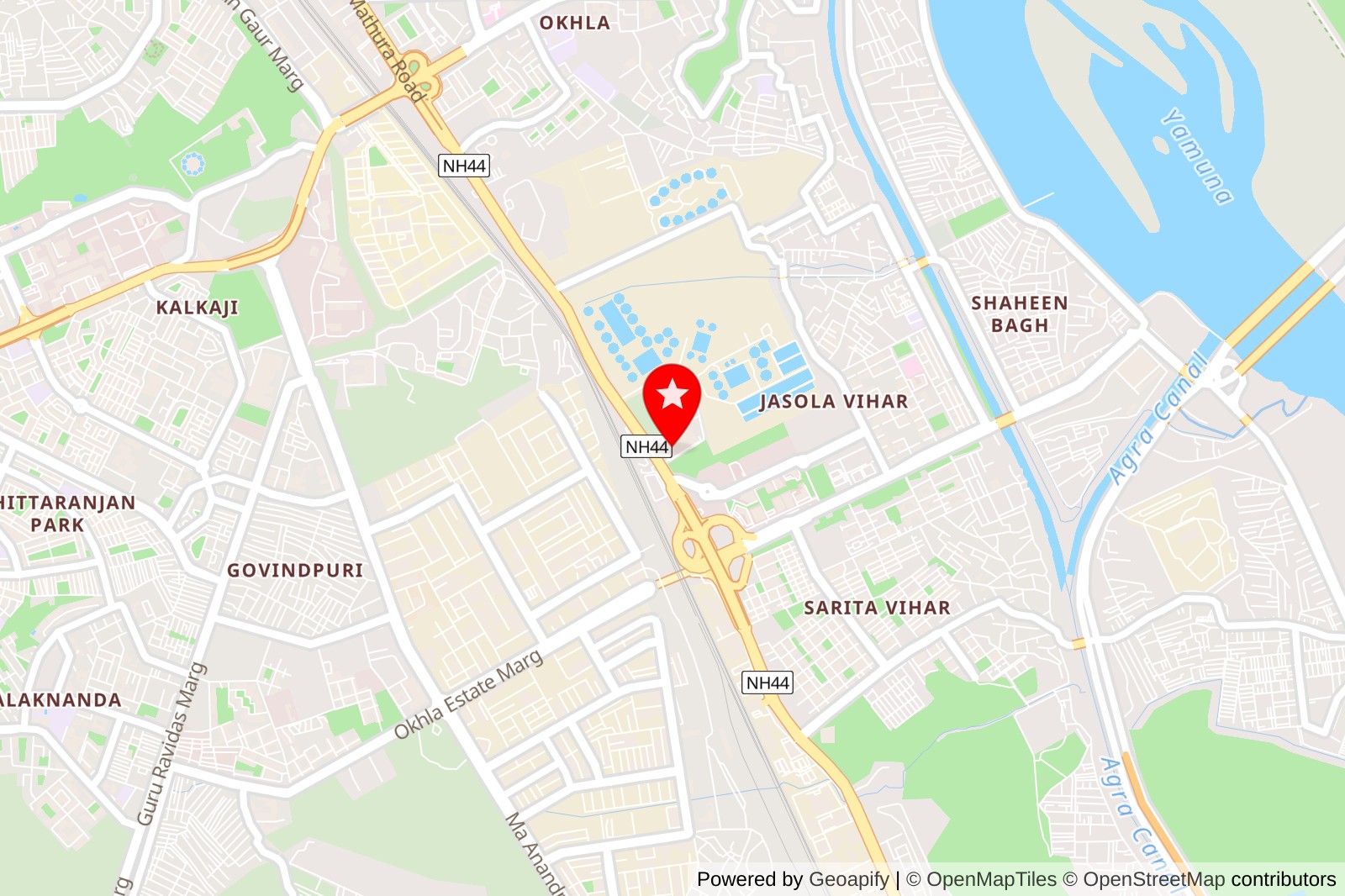
They welcome patients with a large, busy emergency and stroke unit. The staff moved quickly when the writer observed a simulated stroke drill in progress. It felt organized and calm, with clear triage and fast imaging access.
Specialists in neurology and neurosurgery work together here. The hospital uses advanced imaging and interventional tools for clot removal and thrombolysis. Several teams coordinate care from the ER to the ICU and rehab units.
The facility offers structured rehab programs and follow-up clinics for stroke recovery. Therapists and doctors discussed personalized plans with families during rounds. The campus has a steady flow of international and local patients, and administrative staff handle appointments efficiently.
The hospital’s outpatient clinics schedule rapid consultations, which helped when arranging tests and second opinions. The atmosphere is clinical but reassuring, with clear signage and helpful volunteers guiding visitors.
Rating: 4.7 (13956 reviews)
Location: NH-19, Jasola Vihar, New Delhi, Delhi 110020, India
Contact: +91 80 6904 9768
Website: Visit Website
2) IBS Hospital
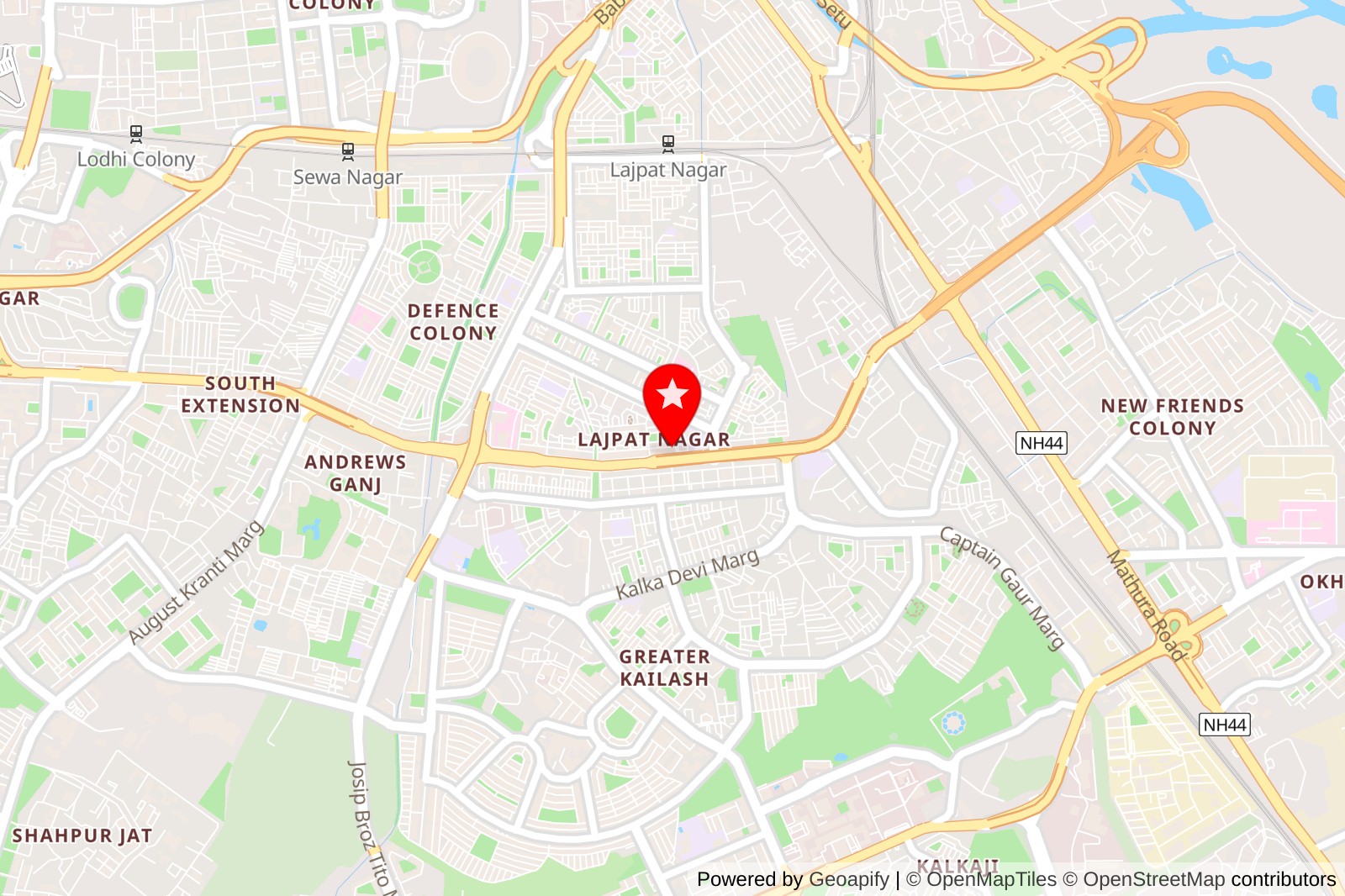
IBS Hospital feels focused and orderly on arrival. The neurology and neurosurgery teams work together, so patients with stroke get coordinated assessments and tailored plans quickly.
The centre uses modern tools for brain and spine care, including neuro-rehab robots and nerve-monitoring during procedures. Staff describe recovery goals in plain terms and involve families in therapy plans.
Clinical areas look clean and well arranged, and the rehab wing emphasizes hands-on therapy with advanced devices. Patients coming from other states and countries showed that the hospital handles complex referrals and offers follow-up care.
The team combines surgical options with pain management and physical therapy, aiming to restore function step by step. Timely imaging and specialist consultations make it a reliable choice for acute and post-acute stroke needs.
Rating: 4.4 (1126 reviews)
Location: 73, Ring Rd, Block L, Lajpat Nagar III, Sarojini Nagar, New Delhi, Delhi 110024, India
Contact: +91 11 4321 0000
Website: Visit Website
3) Fortis Flt Lt Rajan Dhall Hospital, Vasant Kunj – Best Hospital in New Delhi
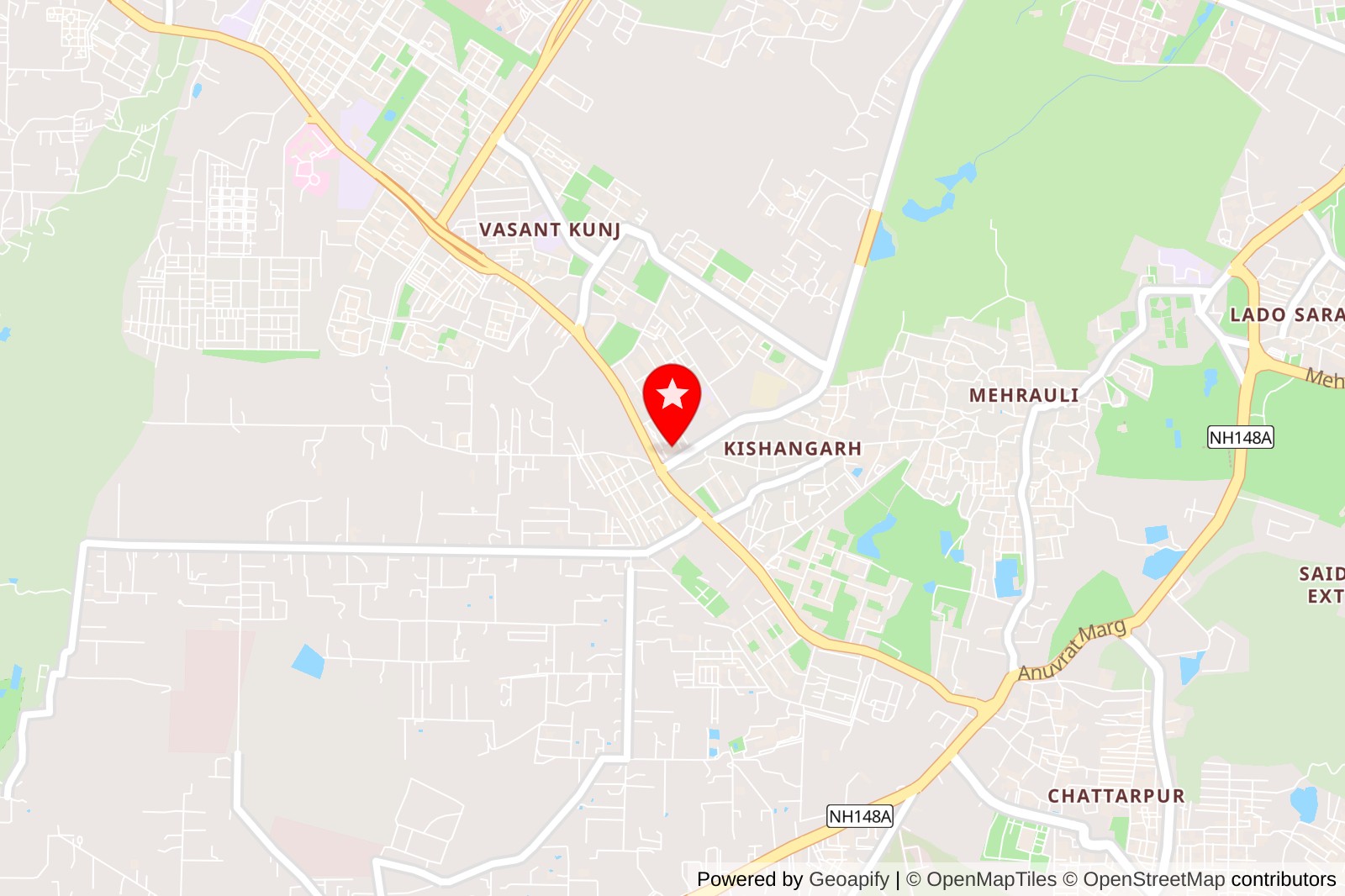
The hospital feels modern and well organized on arrival, with clear signs and a calm reception area. Staff moved promptly when observing a simulated stroke case, and the emergency team looked prepared with necessary monitoring gear.
Inside, imaging and stroke unit access appeared fast, which matters for treatment that depends on time. The neurology team consulted quickly and used clear, direct explanations when discussing care options with the family.
The facility blends private-hospital amenities with focused clinical care. Rooms were clean and staff checked on patients regularly, while nurses handled routine tasks efficiently and kept records up to date.
Visitors reported a professional but caring atmosphere during rounds. The outpatient follow-up and rehab referrals seemed well coordinated, helping patients continue recovery after discharge.
Rating: 4.5 (6270 reviews)
Location: Fortis Flt. Lt. Rajan Dhall Hospital, Aruna Asaf Ali Marg, Pocket 1, Sector B, Vasant Kunj, New Delhi, Delhi 110070, India
Contact: +91 97110 90119
Website: Visit Website
4) Fortis Hospital, Shalimar Bagh – Best Hospital in New Delhi
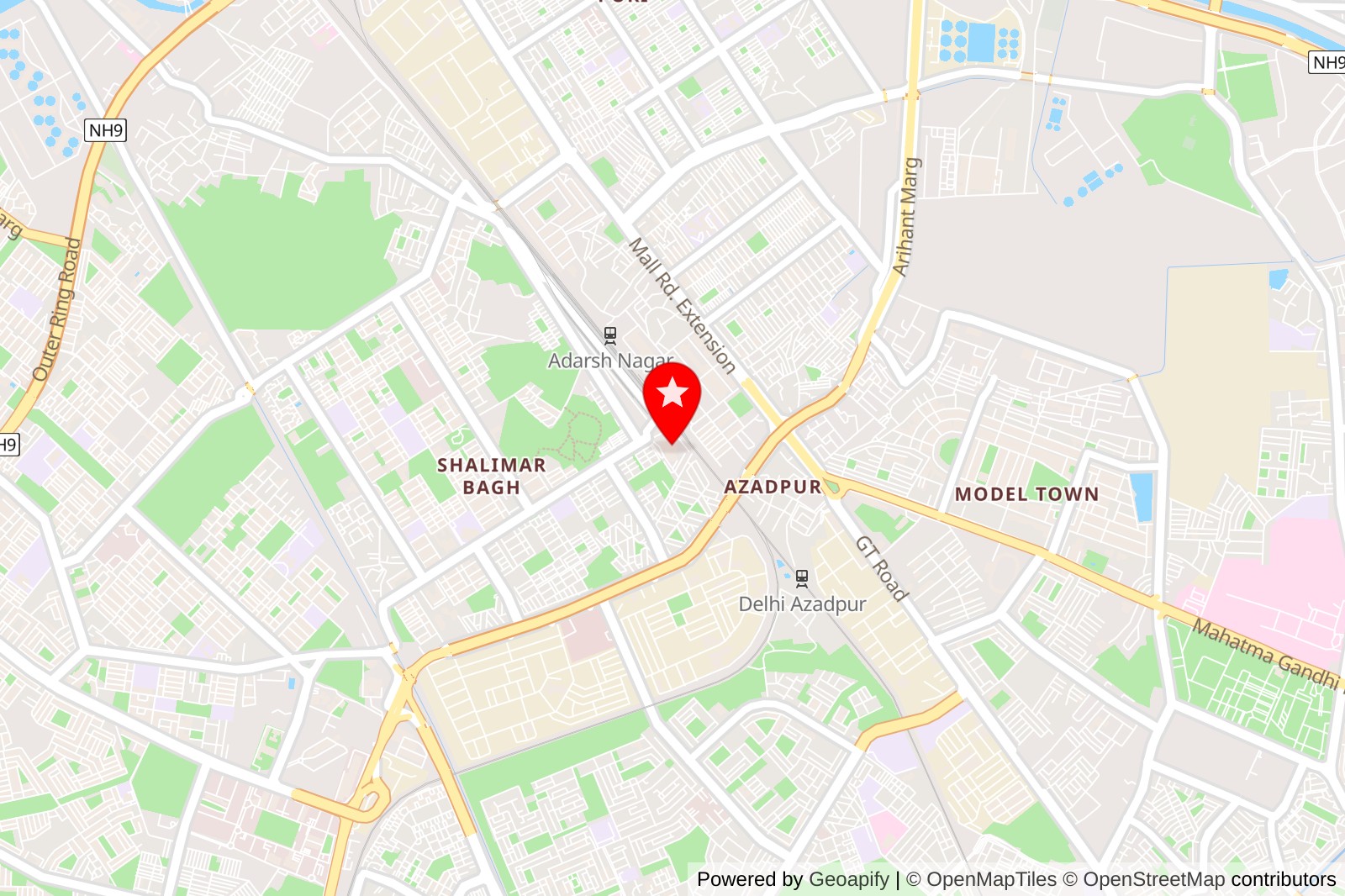
Fortis Hospital in Shalimar Bagh feels busy and organized on arrival. The emergency and stroke response teams move quickly, and the reception staff guide patients through intake without long waits.
Clinical areas look modern and well kept. Neurology and ICU units are close to each other, which helps speed up tests and treatment for stroke patients.
Doctors explain options in clear, plain language and involve families in decisions. Imaging and interventional services were available on the same floor, so scans and specialist consultations happened the same day.
The overall atmosphere is professional and focused on timely care. Support services like physiotherapy and counselling were easy to arrange during the stay.
Rating: 4.6 (10168 reviews)
Location: AA-299, Shaheed Udham Singh Marg, AA Block, Poorbi Shalimar Bag, Shalimar Bagh, New Delhi, Delhi, 110088, India
Contact: +91 84483 39575
Website: Visit Website
5) BLK-Max Super Speciality Hospital Delhi
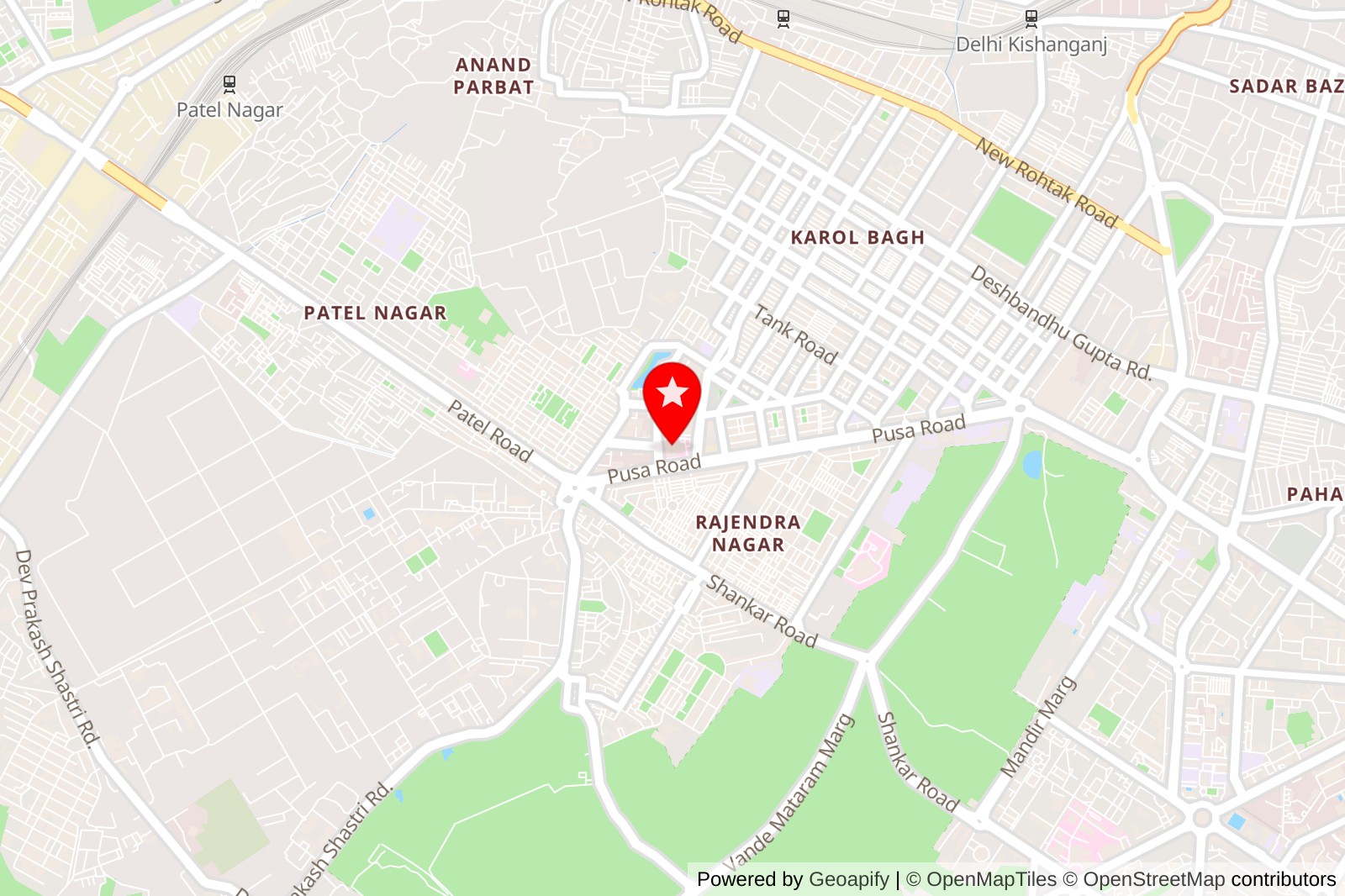
BLK-Max feels like a large, organized hospital the moment one walks in. The neurology and stroke units are easy to find, and the staff move with purpose. The corridors are calm and clinical, and the scanners and monitoring equipment look up to date.
The stroke team appears experienced and coordinated. Doctors discussed treatment steps clearly and quickly during rounds. Rehabilitation services and a new sports rehab centre suggest good post-stroke care options for mobility and recovery.
Consultations here balance technology and practical care. Robotic-assisted joint and surgical programs show the hospital invests in modern tools, which can matter for complex stroke-related procedures. Nurses were attentive and records were well managed during the visit.
Parking and visitor flow are straightforward, which helps family support stay steady during critical care. The hospital’s atmosphere suits urgent cases that need fast imaging and specialist decisions.
Rating: 4.6 (18429 reviews)
Location: Pusa Rd, Radha Soami Satsang, Rajinder Nagar, New Delhi, Delhi, 110005, India
Contact: +91 11 3040 3040
Website: Visit Website
6) Indian Stroke and Paralysis Care Centre, Sukhbir Nagar, Delhi
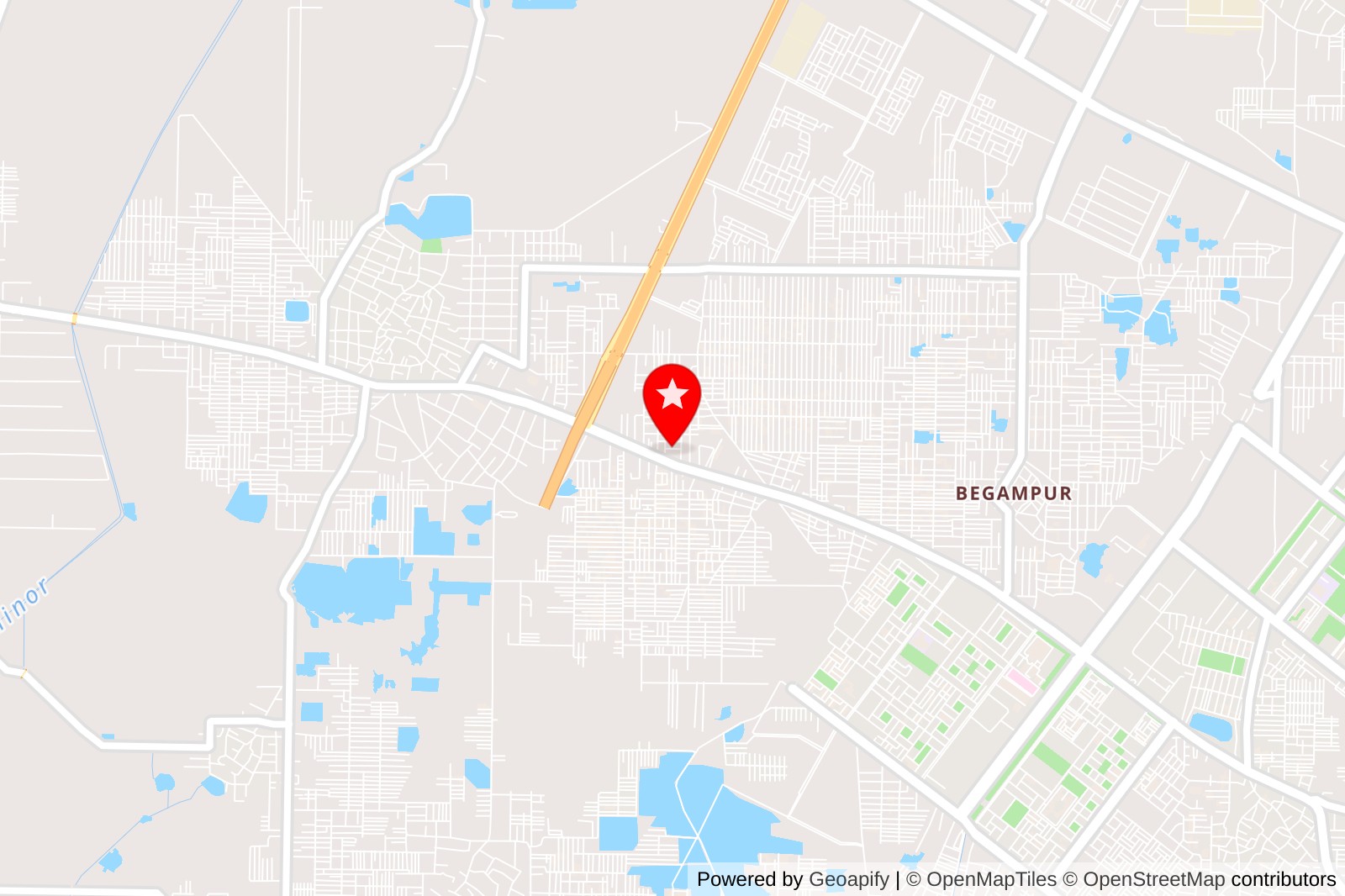
The clinic feels focused and calm on arrival. Staff greet patients warmly and the waiting area is modest but clean. The team clearly emphasizes practical rehab for stroke, head injury, and spinal cord problems.
Therapists work one-on-one and use familiar, proven exercises. Sessions balance hands-on therapy with simple home plans patients can follow. The center seems to prioritize reducing disability and improving daily function.
The nonprofit setting gives care a community feel. Professionals explained goals in plain language and showed realistic progress steps. Equipment is basic but well maintained, and appointments run on time.
The location in Rohini is easy to find and parking is limited but manageable. Overall, the center suits patients seeking focused, affordable rehabilitation after stroke or paralysis.
Rating: 5 (63 reviews)
Location: Plot no , 19/38, Sewa Sadan, near kanishka Farm, Sukhbeer Nagar, Sector 38, Rohini, Delhi, 110099, India
Contact: +91 98730 85797
Website: Visit Website
7) Fortis C-Doc Hospital – Best Hospital in New Delhi
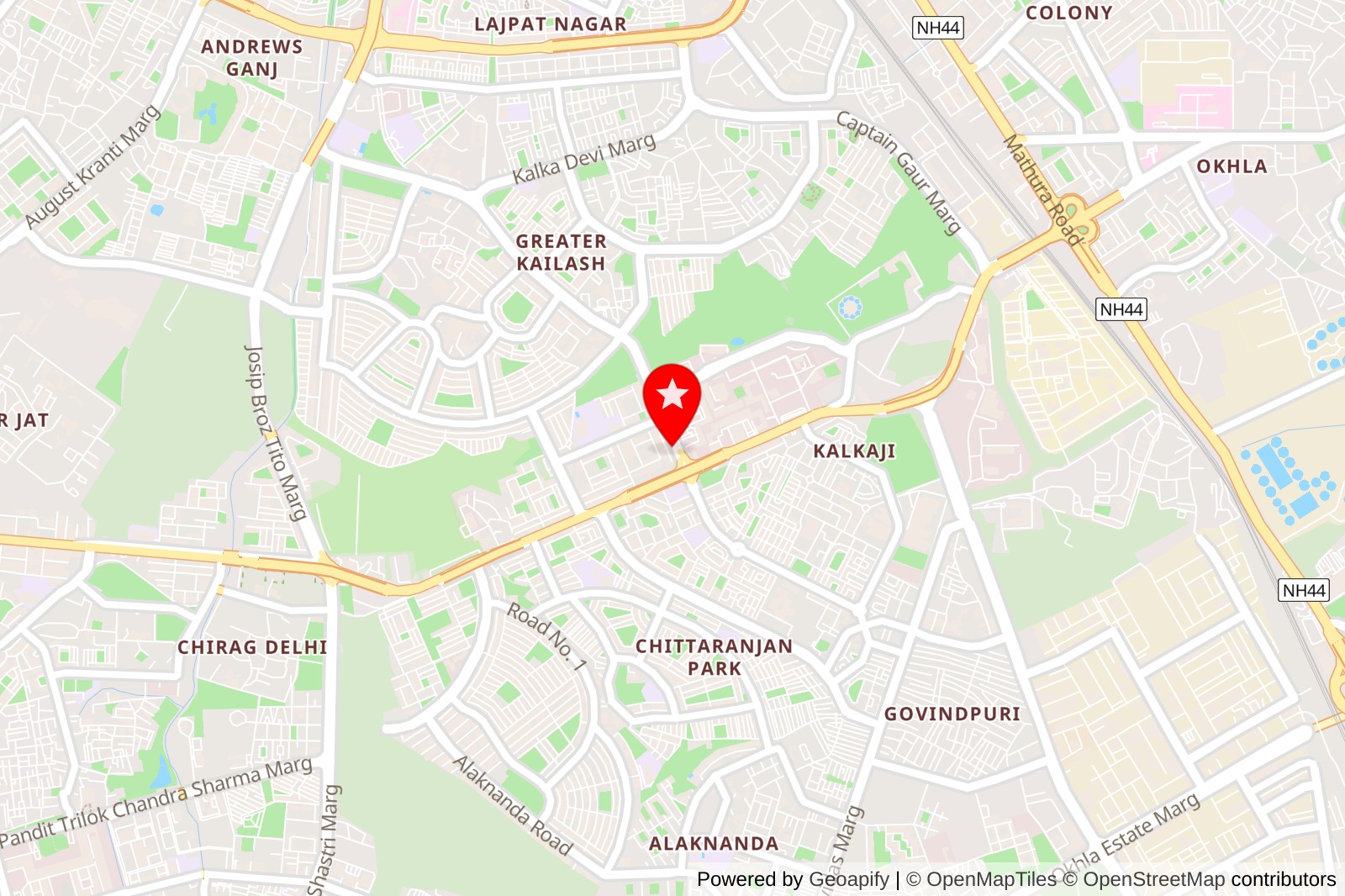
Fortis C-Doc feels well organized and calm on arrival. The reception staff moved things along quickly, and the corridors lead to clear signs for neurology and imaging. Visitors can find the stroke unit without much confusion.
The neurology team seemed experienced and attentive during rounds. They explained treatment steps clearly and discussed monitoring and rehab plans. The imaging suite is nearby, which helps speed up diagnosis.
Facilities are modern and clean, with private rooms available for patients needing quiet recovery. The nurses were proactive about checks and medication, and physiotherapy services were set up for early mobilization. Parking and access from the main road make visits easier.
The hospital also coordinates with specialists for post-stroke care and rehabilitation planning. Discharge instructions came with clear follow-up steps and contact details for questions.
Rating: 4.7 (2020 reviews)
Location: B-16, Nehru Place Flyover, opp. Devika Tower, Chirag Enclave, Greater Kailash, New Delhi, Delhi 110048, India
Contact: +91 11 4910 1222
Website: Visit Website
8) Dharamshila Narayana Superspeciality Hospital, Delhi
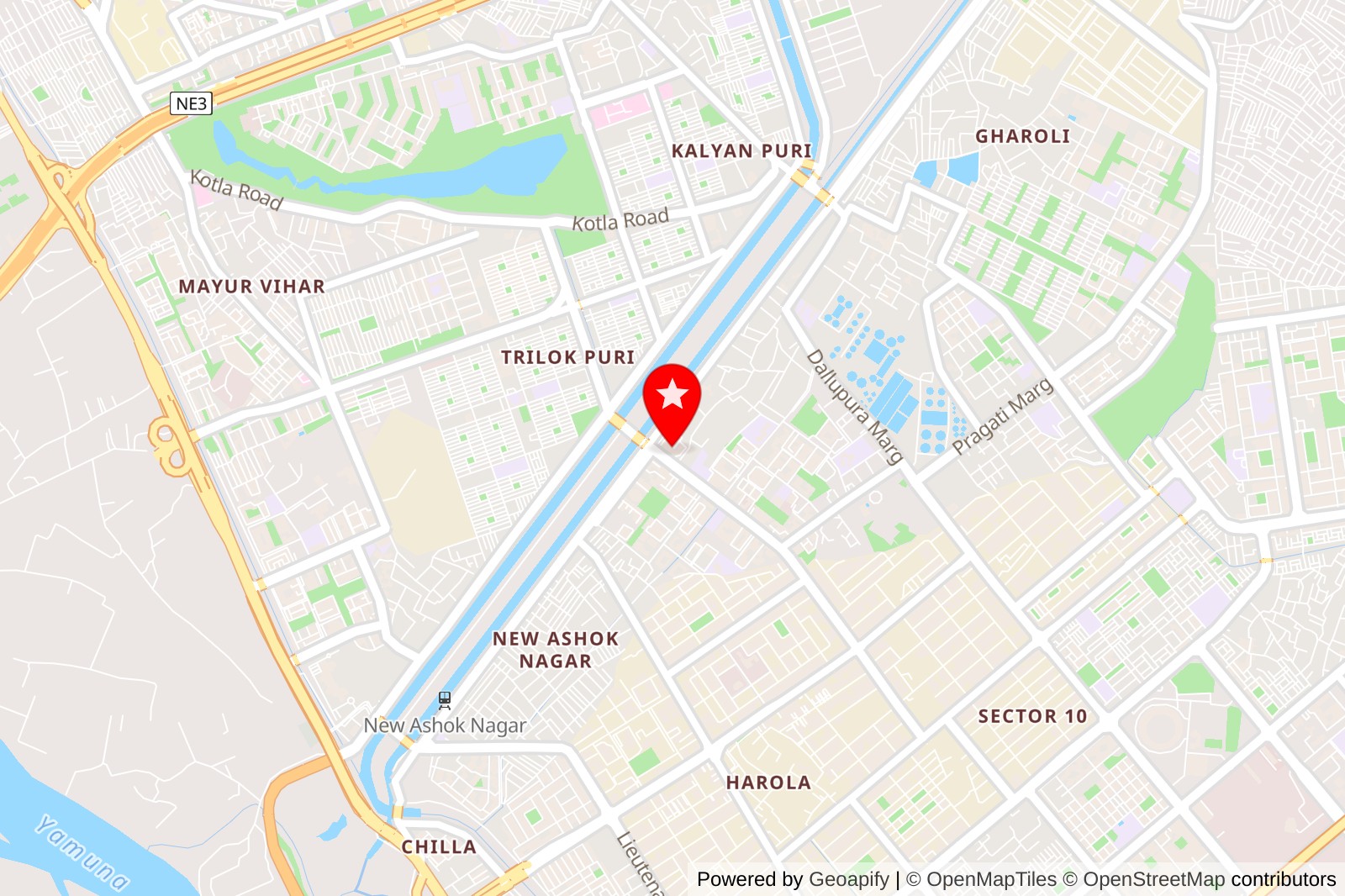
The team at Dharamshila Narayana feels organized and focused on stroke care. On arrival, the emergency area moves quickly and staff explain steps clearly. The CT and MRI suites are nearby, which speeds up diagnosis.
Specialists consult together and adjust treatment plans fast. The stroke unit looked well-equipped with monitors and rehab space. Nurses checked patients often and coordinated with therapists for early mobilization.
Visitors might notice clear signage and a calm waiting area. The hospital offers inpatient rehab, and therapists work one-on-one to regain strength and speech. Care plans include follow-up instructions and contact points for questions.
The campus sits near a metro station, making it easy to reach from much of the city. Admissions and billing seemed streamlined during the visit, and the hospital maintains a steady focus on patient safety.
Rating: 4.9 (25564 reviews)
Location: Metro Station, Dharamshila Rd, near Ashok Nagar, Vasundhara Enclave, New Delhi, Delhi, 110096, India
Contact: +91 80 6215 4155
Website: Visit Website
9) HCAH – Stroke Rehabilitation Center Delhi | Paralysis and Neuro Care | Paralysis Rehab & Recovery Center
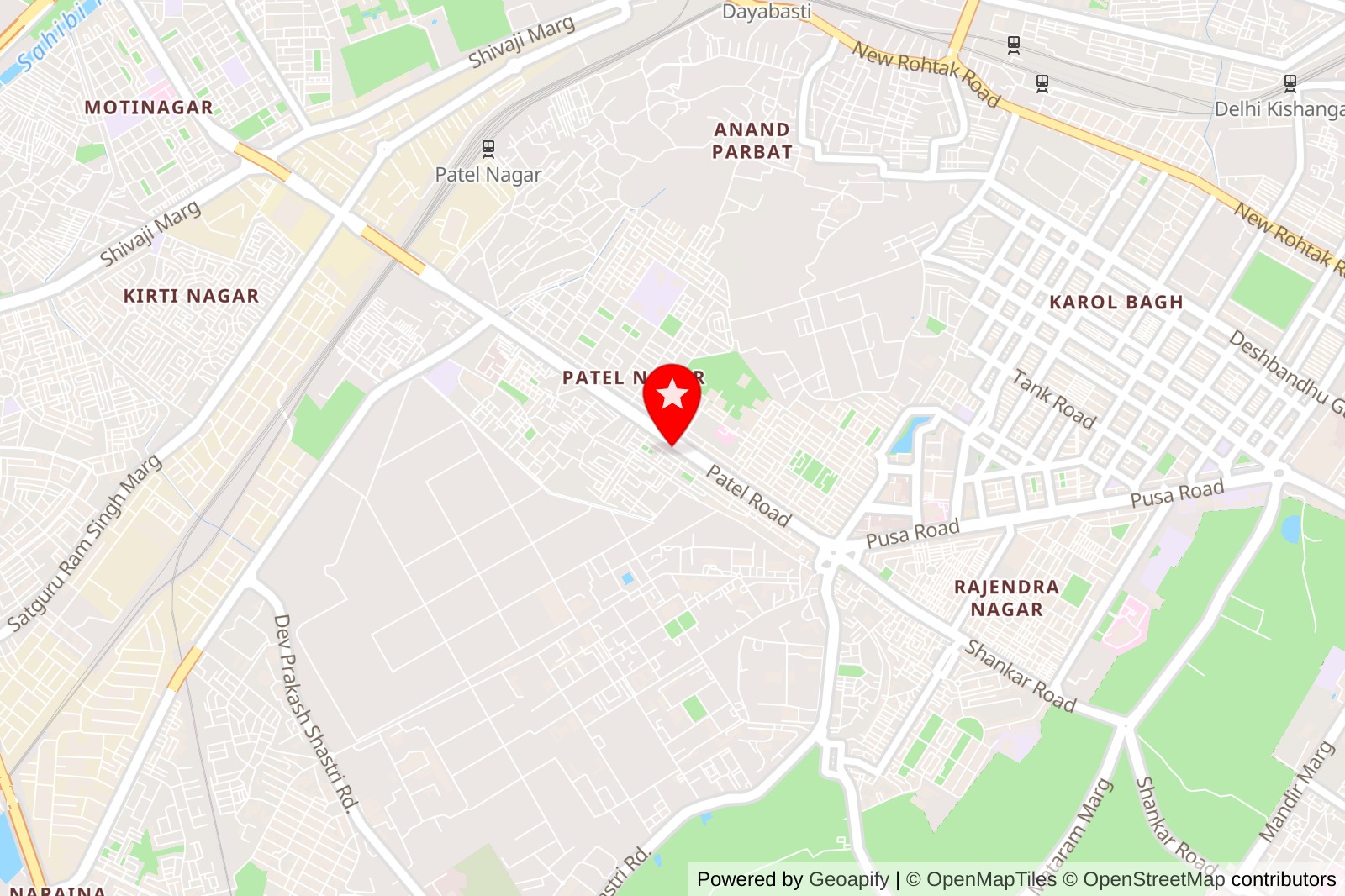
They run a doctor-led, 24×7 stroke recovery center that feels organized and calm. The team follows clear milestone-based plans, so progress looks measurable and families know what to expect each week.
During a short visit, the rehab area looked modern and well set up for neuro recovery. I saw specialized gear, including robotic gait devices, and therapists guiding patients through repetitive walking and balance drills.
Staff emphasized early rehab in the first 90 days after stroke and showed tailored Roadmaps for each patient. Nurses, physiotherapists, speech therapists, dietitians, and psychologists coordinate care, so medical and emotional needs get attention together.
The center also offers respiratory care, swallow and speech therapy, and integrative options like yoga and Ayurvedic support. Admissions staff spoke plainly about insurance partners and steps to start a recovery plan.
Rating: 4.3 (207 reviews)
Location: 15, near Metro Pillar No. 198, South Patel Nagar, Block 1, South Patel Nagar, New Delhi, Delhi, 110008, India
Contact: +91 92402 50442
Website: Visit Website
10) Max Super Speciality Hospital, Saket (Max Saket)
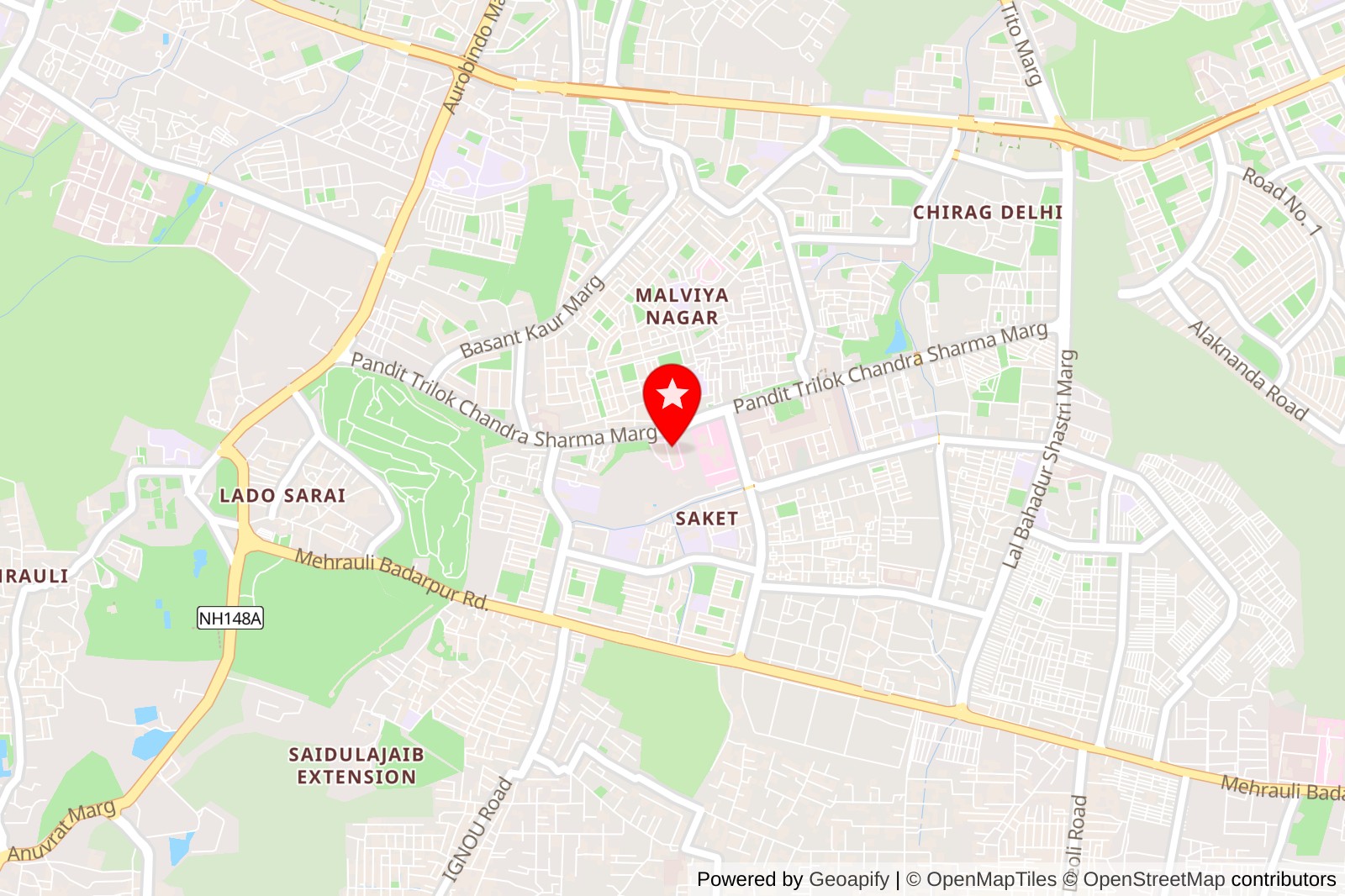
They lead with large, modern blocks and a busy main lobby. The staff move with purpose, and signs point clearly to emergency and neurology units.
The stroke team uses advanced imaging and ICU care. Walking through the corridors, one notices dedicated stroke beds and monitoring equipment ready for rapid treatment.
Clinicians offer endovascular procedures and rehab services under one roof. The hospital emphasizes quick scans, specialist reviews, and early physiotherapy to speed recovery.
Outpatient follow-ups and teleconsults make ongoing care easier for families. The place feels well organized, with clear admission and insurance support systems.
Rating: 4.2 (8730 reviews)
Location: 1 2, Press Enclave Marg, Saket Institutional Area, Saket, New Delhi, Delhi 110017, India
Contact: +91 11 2651 5050
Website: Visit Website
11) INDIAN STROKE AND PARALYSIS CARE CENTRE
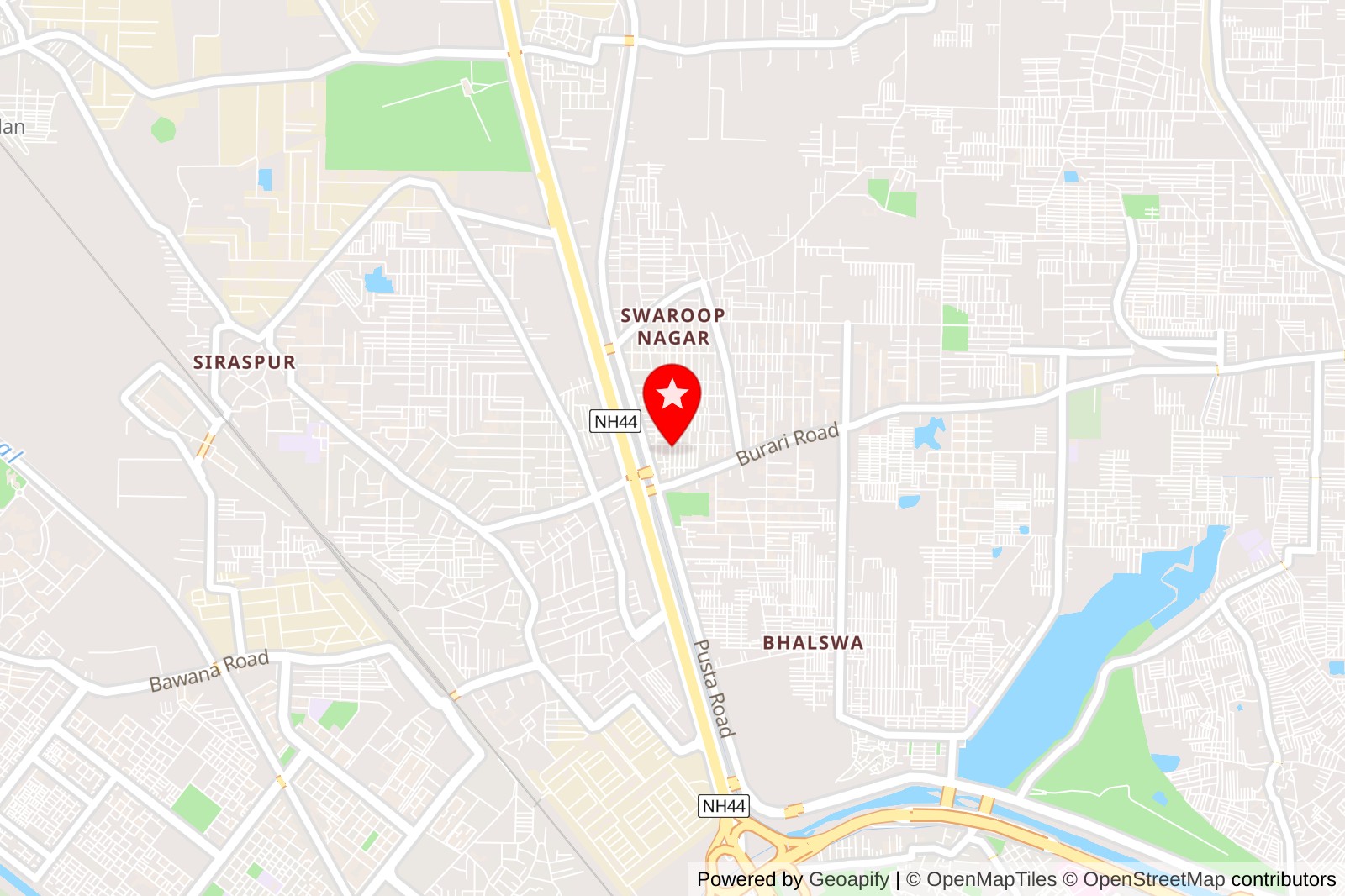
The team at this clinic focuses on stroke and paralysis recovery with hands-on therapy and practical rehab plans. The staff appeared experienced and attentive during the visit, and they walk patients through simple daily exercises to regain movement.
The facility feels small but organized, with treatment rooms set up for individual therapy. Therapists use a mix of manual techniques and routine training to help patients relearn basic tasks.
Visitors will find a calm, no-frills environment that centers on patient progress rather than high-tech gadgets. The staff gave clear instructions and set realistic goals, which helped build confidence in the care they provide.
The clinic also provides family guidance on managing recovery at home and preventing further complications. They emphasize early rehabilitation and steady follow-up to track improvements.
Rating: 4.9 (27 reviews)
Location: D, 74, Gali Number 1, Block D, Swaroop Nagar, Delhi-42, Delhi, 110042, India
Contact: +91 87006 24793
Website: Visit Website
12) SDG Indian Stroke And Paralysis Care Centre
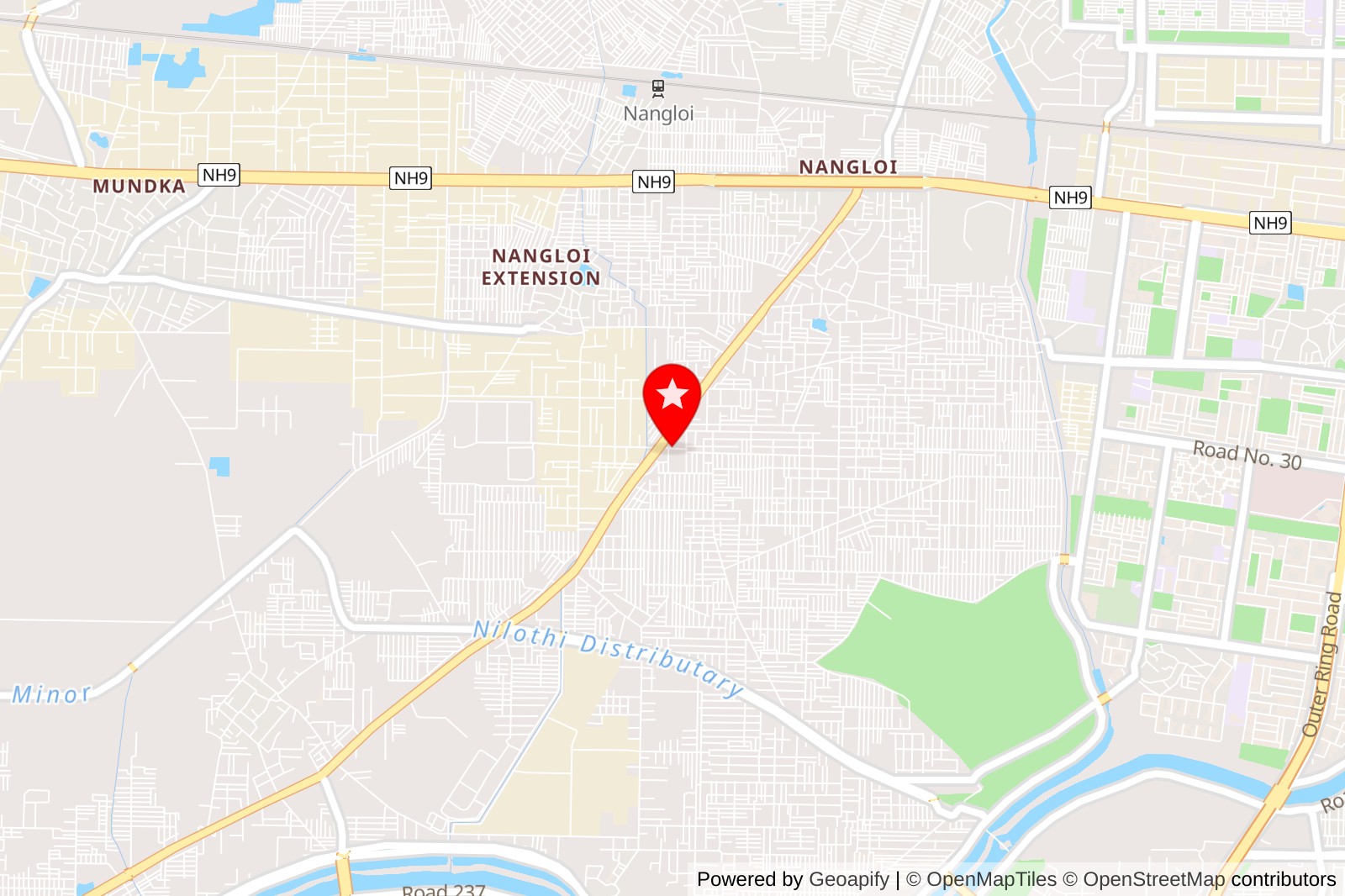
The centre feels focused and calm when you walk in. Staff greet patients politely and guide them through therapy plans. The place looks set up for stroke and paralysis rehab rather than general hospital care.
Therapists use standard physical therapy methods and tailor exercises to each patient. They explain goals clearly and show how exercises help recovery. Equipment is modest but used well during sessions.
The team speaks about stroke prevention and long-term care in plain terms. Counseling and follow-up seem to be part of their routine. The clinic’s nonprofit mission comes through in how they treat patients respectfully and with attention.
Rating: 5 (21 reviews)
Location: Najafgarh Rd, Block A, Naresh Park Extension, Kamruddin Nagar, Delhi, 110041, India
Contact: +91 83681 52019
Website: Visit Website
Understanding Stroke Care Services
This section explains the key components of top stroke care: rapid diagnosis, emergency treatment, specialized teams, and advanced imaging and procedures. It highlights how these elements work together to save brain tissue and improve recovery.
What Sets Comprehensive Stroke Centers Apart
Comprehensive stroke centers provide 24/7 emergency stroke response with neurologists, neurointerventionalists, and dedicated stroke nurses on site. They use standardized stroke pathways so patients get CT or MRI within minutes and decision-making follows clear protocols.
They offer acute treatments such as intravenous thrombolysis (clot-busting drugs) and mechanical thrombectomy for large-vessel occlusions. ICUs or stroke units have neuro-monitoring, blood-pressure control, and early rehabilitation planning.
These centers also handle complex cases: hemorrhagic strokes, aneurysm repairs, and endovascular procedures. They track outcomes with registries and quality metrics, and they run stroke prevention clinics for risk-factor control like hypertension and diabetes.
Role of Advanced Neuroimaging and Interventions
Advanced neuroimaging guides fast, accurate treatment decisions. Non-contrast CT rules out hemorrhage; CT angiography shows vessel occlusion; CT perfusion and diffusion MRI assess salvageable brain tissue (penumbra).
Imaging determines eligibility for thrombectomy up to extended time windows and helps tailor blood-pressure and anticoagulation strategies. It also detects small bleeds, infarct size, and collaterals that predict recovery.
Interventional suites offer endovascular thrombectomy, coil or stent placement for aneurysms, and clot aspiration. Teams combine imaging with skilled neurointerventionalists to perform these procedures quickly, lowering disability risk and improving functional outcomes.
Key Factors to Consider When Choosing a Hospital
Look for proven quality measures, stroke-specific rehab services, and a team that treats acute stroke every day. Confirm the hospital can deliver fast imaging, clot-busting or clot-removal procedures, and coordinated rehab care from day one.
Accreditation and Certifications
Check for national and international accreditations such as NABH, JCI, or NABL for lab standards. These show the hospital follows patient-safety protocols, infection control, and quality management.
Verify stroke center designation if present. A certified stroke center usually documents door-to-CT and door-to-needle times, and tracks outcomes for thrombolysis and thrombectomy.
Ask about emergency imaging availability. 24/7 CT and CT angiography, and rapid reporting by radiologists, matter for timely treatment.
Look for specialty program certifications too. Cardiac, neurology, and critical-care accreditations matter because many stroke patients need multi-department support.
Specialized Stroke Rehabilitation Programs
Confirm the hospital offers inpatient stroke rehab units with neuro-physiotherapy, occupational therapy, and speech-language therapy under one roof. Integrated daily therapy speeds early recovery.
Check for individualized rehab plans and goal setting. Programs should measure function with scales (e.g., NIHSS, mRS) and adjust therapy intensity and type accordingly.
Find out about advanced rehab options. Constraint-induced therapy, robotic-assisted training, and spasticity management (botulinum toxin, intrathecal pumps) can improve outcomes for selected patients.
Ask whether outpatient follow-up and community reintegration services exist. Care that continues after discharge—home programs, caregiver training, and tele-rehab—reduces readmissions and helps long-term recovery.
Experience of Multidisciplinary Stroke Teams
Look for a dedicated stroke team that includes stroke neurologists, interventional neuroradiologists, neuro-critical care physicians, rehab specialists, and specialist nurses. Regular team rounds and stroke codes show coordination.
Check team volume and case mix. Hospitals that treat a high number of acute ischemic strokes and perform frequent thrombectomies tend to have better procedural skills and faster workflows.
Verify access to 24/7 interventional services. Availability of an on-call interventionist, anesthesiologist, and cath-lab staff impacts time to treatment for large-vessel occlusions.
Ask about training and protocols. Regular stroke drills, audit of time metrics, and published outcome data indicate the team reviews performance and improves care.
FAQ
What should a patient look for when choosing a stroke hospital? They should check for a dedicated stroke team, 24/7 emergency care, CT/MRI access, and neurointerventional services. Patient reviews and rehab services matter too.
How fast must treatment start after stroke symptoms? Treatment is most effective when begun quickly. Hospitals aim for rapid imaging and thrombolysis or thrombectomy when appropriate.
What rehabilitation services are commonly available? Most top hospitals offer physiotherapy, speech therapy, occupational therapy, and neuropsychology. Early rehab improves recovery chances.
How are treatment costs and appointments handled? Costs vary by hospital, treatment type, and stay length. Many hospitals publish cost estimates and offer appointment booking and medical travel support.
Can family members stay with the patient during care? Policies differ by hospital and ward. Families should check visiting hours and any caregiver accommodation options.
Is follow-up care important after hospital discharge? Yes. Follow-up reduces the risk of another stroke and helps adjust medications and therapy plans. Regular checkups and lifestyle changes are key.
What questions should families ask doctors? They should ask about cause, treatment options, expected recovery timeline, rehabilitation plan, and secondary prevention measures. Clear, direct questions help guide decisions.
Are international patients supported? Many large centers assist with international patients through coordination of appointments, visas, and travel logistics. Patients should confirm services before travel.
Common warning signs to watch for Sudden weakness, speech trouble, facial droop, vision loss, and severe headache. Fast action saves brain tissue.
Conclusion
The listed hospitals provide strong stroke care across Delhi. They combine experienced teams, advanced imaging, and dedicated stroke units to treat acute and chronic needs.
Patients benefit from fast CT and MRI access, multidisciplinary rehab, and neurosurgical options when needed. Many centers also offer thrombolysis and endovascular therapy for time-sensitive strokes.
Choosing a hospital depends on stroke severity, location, insurance, and the need for rehabilitation services. Families should prioritize hospitals with 24/7 stroke response and clear transfer pathways.
For international or out-of-state patients, some hospitals work with medical travel services to ease logistics. Patients should confirm costs, bed availability, and post-discharge follow-up before admission.
A short checklist helps pick the right center:
- 24/7 stroke team and imaging
- Thrombolysis and endovascular capabilities
- Rehabilitation and follow-up care
- Patient reviews and insurance acceptance
This guide aims to help readers weigh options and talk with clinicians. They can use the checklist when contacting hospitals and making timely decisions about stroke care.